

Common Issues With Residential Furnaces
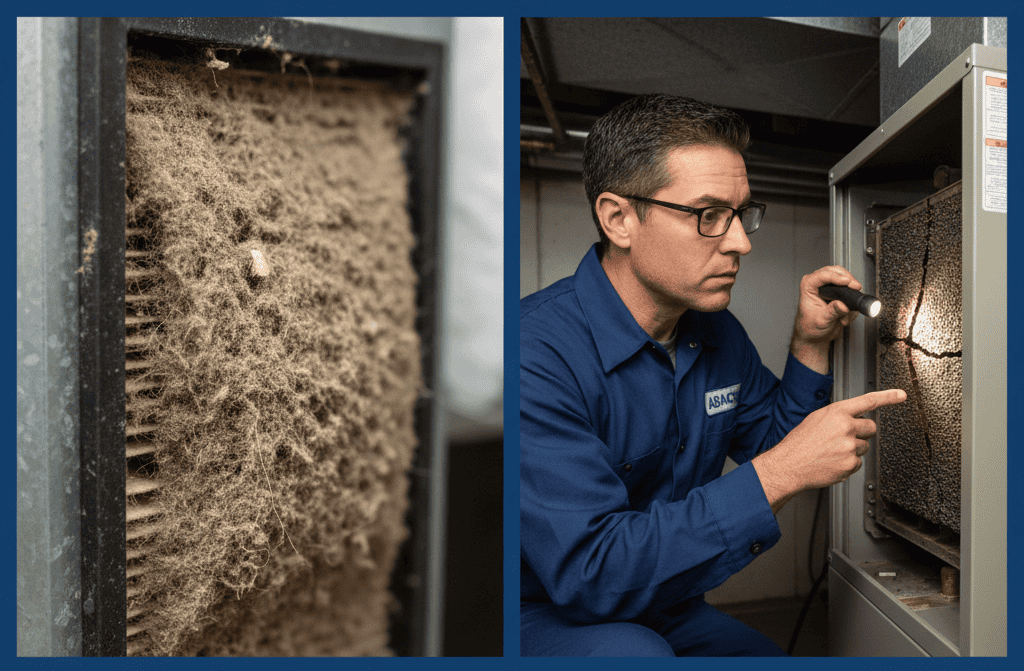
Furnaces are the workhorses that keep homes warm through cold months. When a furnace stops working as expected it can affect comfort and utility bills and create safety concerns. Knowing the common issues with residential furnaces helps homeowners spot trouble early and take the right steps to fix the problem.
This guide explains the most frequent furnace faults, what causes them, and practical steps to take at home. I include examples, troubleshooting tips, and clear signs that indicate it is time to call a professional. Read on to learn how to keep a heating system running well and avoid costly downtime.
Common Issues With Residential Furnaces and Their Causes
Homeowners often see the same handful of issues repeat from season to season. These include reduced heating output frequent cycles strange noises and ignition failures. Most of these problems fall into two broad groups mechanical problems and airflow or fuel delivery problems. Mechanical problems relate to motors belts and moving parts. Airflow and fuel delivery problems involve clogged filters blocked ducts insufficient gas pressure or control failures.
Understanding the root cause makes it easier to decide whether a simple home fix will work or whether professional service is required. For example a dirty filter is quick to replace and can restore performance in minutes. A cracked heat exchanger is a safety issue that needs immediate professional attention.
Dirty Filters and Reduced Airflow Effects
A dirty filter is the most common cause of reduced airflow and poor heating. Filters trap dust pet hair and debris but they also block air if they are not changed on a regular schedule. Restricted airflow forces the furnace to work harder and shortens component life.
Signs and Simple Fixes
- Uneven room temperatures and weak airflow from vents
- Higher than normal energy bills without increased use
- Longer run times as the furnace struggles to reach set temperature
Tip replace disposable filters every one to three months during heavy use. If you have pets or high dust levels check monthly. For reusable filters follow the manufacturer cleaning recommendations and inspect for damage before reinstalling.
When Replacement Is Needed
If a reusable filter shows holes or warped edges replace it. Using a filter that is too restrictive for your system can create the same symptoms as a clogged filter so check the MERV rating and use a type compatible with your furnace. A qualified technician can recommend the right balance between filtration and airflow.
Ignition and Pilot Problems That Interrupt Heating
Older furnaces use a standing pilot light while newer units rely on an electronic ignitor. Both approaches can fail for different reasons and symptoms include no heat or intermittent heating cycles.
Pilot Light and Flame Issues
- Pilot will not stay lit if the thermocouple is dirty or failing
- Yellow or flickering flame indicates combustion problems
- Smell of gas without ignition requires immediate action
Tip if you smell gas leave the home avoid switching electrical devices on or off and call your gas provider from a safe location. Do not attempt to relight a pilot if you are unsure about the source of the smell.
Electronic Ignition Failures
Electronic ignitors wear out with use and can fail suddenly. Symptoms include repeated attempts to light a burner accompanied by error codes on modern furnaces. Cleaning burners and checking wiring connections can sometimes restore normal operation but replacement of the ignitor is a common repair item.
Strange Noises and What They Indicate
Unusual sounds provide clues to the underlying problem. Listen to the furnace as it starts runs and shuts down. Each sound type points to specific faults and helps with diagnosis.
- Rattling suggests loose panels or debris in the cabinet
- Clicking during startup often indicates normal operation but persistent clicking without ignition points to electrical or control problems
- Squealing typically comes from a worn blower belt or motor bearing
- Hammering or popping in ducts can mean air pressure balance issues or thermal expansion
Tip tighten loose access panels and inspect for foreign objects near the blower. For bearings or belt wear plan for service to replace the worn component before it fails completely.
Thermostat and Control Failures
The thermostat is the communication link between you and the furnace. Incorrect settings or a faulty thermostat can mimic furnace failure. Check the basics before assuming a large repair is needed.
- Thermostat set to off or to a schedule that reduces heat at certain times
- Dead batteries in wireless models cause loss of control signals
- Poor placement of the thermostat near drafts or direct sunlight leads to inaccurate readings
Tip test the system by raising the thermostat temperature well above room temperature and listen for the furnace to respond. If the furnace does not start check power to the unit and circuit breakers. Replacing thermostat batteries and reprogramming schedules are common quick fixes.
Safety Concerns and Carbon Monoxide Risks
Safety issues must be treated with high priority. Cracked heat exchangers blocked vents and fuel leaks can expose occupants to combustion byproducts including carbon monoxide. This invisible gas is dangerous at very low concentrations so early detection is vital.
Common Safety Warning Signs
- Unexplained headaches or nausea that improve when leaving the home
- Soot or dark streaks around registers and on the furnace
- Frequent pilot outages or yellow flames where a blue flame is expected
Detector and Ventilation Tips
Install and test carbon monoxide detectors on every occupied level and near sleeping areas. Replace detectors according to the manufacturer schedule and keep vents clear of obstructions. Annual inspection of flues and chimneys reduces the chance of dangerous exhaust buildup.
When to Call a Professional for Furnace Repair and Service
Some furnace problems are appropriate for a homeowner to handle. Changing filters checking the thermostat or clearing debris from around the intake are tasks most people can do safely. Other issues require trained hands and diagnostic tools.
Schedule professional help when there is any sign of a gas leak persistent ignition failure strange odors or visible damage to combustion components. If you prefer regular checkups to reduce surprise failures arrange routine inspections. For a trusted option in the local area you can request furnace repair and service from companies that offer trained technicians and documented safety checks.
Tip keep a record of service visits component replacements and any recurring error codes. That history helps technicians pinpoint underlying causes faster and may lower overall repair time and cost.
Maintenance Actions That Extend Furnace Life
Planned care reduces breakdowns and keeps the system efficient. A few regular tasks prevent common failures and keep operating costs lower.
- Change or clean filters according to usage and manufacturer guidance
- Keep vents and returns free from furniture and curtains
- Clear a two foot area around the furnace and water heater to allow proper airflow and service access
- Have a technician inspect combustion components and perform a safety check annually before the heating season
Examples include cleaning flame sensors burners and blower assemblies during a service visit. Such work lowers the chance of sudden shutdowns and reduces fuel waste related to inefficient combustion.
Conclusion summary and action steps
Residential furnaces face a limited set of recurring issues. Dirty filters restricted airflow faulty ignition noisy operation thermostat problems and safety risks are the items that appear most often. Many of these are easy to address with routine filter changes thermostat checks and basic inspection of vents and panels. More serious faults such as cracked heat exchangers persistent gas odors and repeated ignition failures need immediate attention from a trained technician. Regular seasonal inspections catch small problems before they grow into costly repairs and help keep the system safe.
If you are unsure whether a symptom is safe to handle at home start with simple checks like replacing the filter and testing the thermostat. If the problem persists or if you detect gas odor or signs of combustion problems stop using the system and arrange a professional visit. Keeping a short service history with dates of repairs and parts replaced helps technicians work more quickly and can shorten downtime. Take action now by setting a reminder for an annual inspection and keeping basic supplies on hand such as replacement filters and fresh batteries for thermostats and detectors. That small effort pays off with steadier heat lower operating cost and a safer home environment.
 Secure Your Loved Ones in Dorset with Medical Alerts
  Strategies for Financial Resilience
  Career Change at Any Age
  New Innovative Business Models
  Breastfeeding vs. Infant Milk
  The Decor of Your Home